When a Missing Tooth Becomes a Bigger Problem
A missing tooth rarely stays a cosmetic issue for long. Left untreated, it can trigger a chain of changes that make closing the gap worth addressing sooner rather than later.
A dental bridge in Woodbridge, VA, is one of the most common ways to stop that chain reaction before it starts. The mouth relies on a full set of teeth working together, and when even one is missing, nearby teeth and the jaw start to compensate.

The Domino Effect of One Missing Tooth
Nearby teeth often drift toward the open space, changing how the bite comes together over time. According to the CDC, the effects of missing teeth on chewing and speech are well-documented among adults nationwide.
That shifting can make everyday chewing less efficient and comfortable. Speech can also be affected, especially when the gap is near the front of the mouth.
Signs It Might Be Time to Consider a Bridge
The changes caused by a missing tooth tend to build gradually, so they are easy to miss at first. A few common signs are worth paying attention to:
- Food regularly getting caught in the empty space
- Nearby teeth that feel looser or appear to be shifting
- Noticeable changes in chewing or speech
- Ongoing discomfort or pressure near the gap
Any one of these on its own may seem minor, but together they suggest that the mouth is already adjusting to the missing tooth.
Gum Disease Risk Increases Too
An open gap also makes it harder to clean the area thoroughly, which raises the risk of decay and gum disease nearby. CDC data shows that nearly half of adults over thirty already have some form of periodontitis, so any added risk factor matters.
A bridge closes that gap and restores an even surface that is far easier to keep clean.
Jaw Strain and Everyday Discomfort
Some patients also notice new jaw tension or discomfort once a bite shifts out of its normal alignment. That kind of strain echoes concerns covered in our guide on jaw tension among local professionals, even when a missing tooth isn't the only factor at play.
Addressing the missing tooth directly often relieves pressure on the rest of the bite.
When a Bridge Might Be the Right Fix
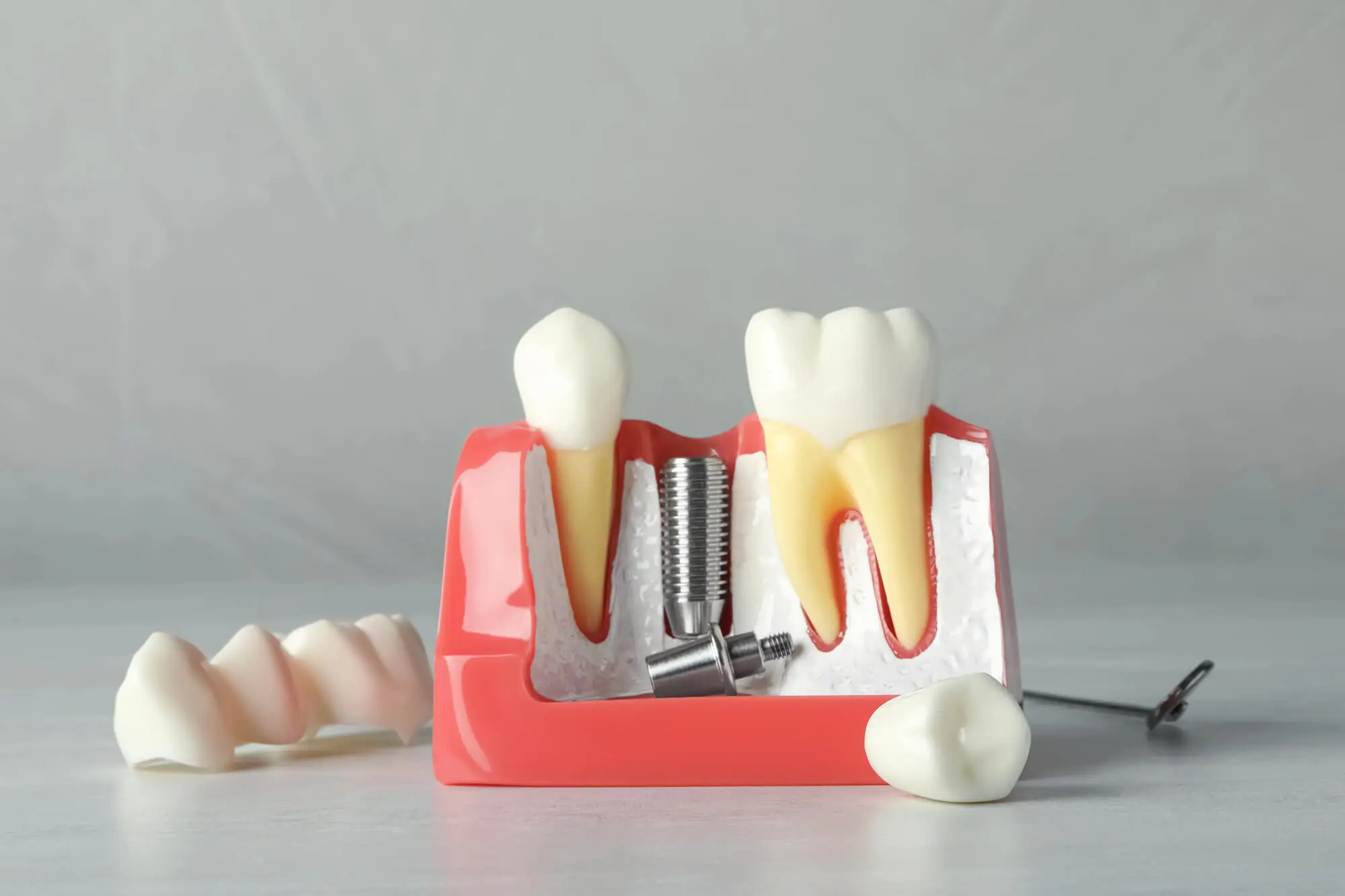
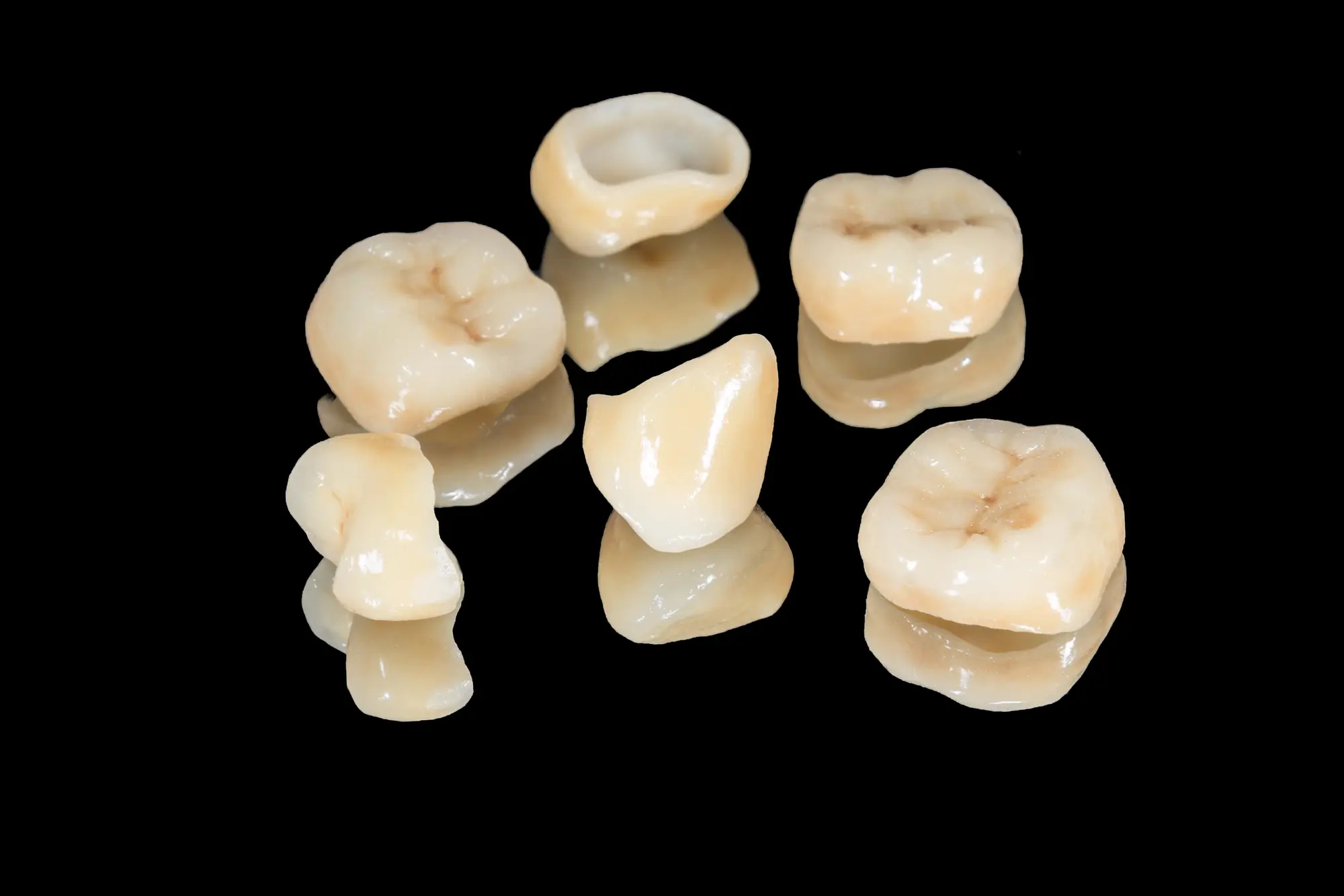
A dental bridge fills the space with a custom, fixed replacement anchored to the surrounding teeth or implants. Patients who already know they want a bridge can see how different bridge types compare in more detail.
Cost is often the biggest hesitation, even when a bridge is clearly the right fit. Flexible payment options can make that decision easier without delaying treatment.
Frequently Asked Questions About Replacing a Missing Tooth
Is a Bridge Better Than Waiting?
Waiting usually doesn't make treatment easier, since the surrounding teeth and gum tissue keep changing over time. Addressing the gap sooner tends to mean a simpler, faster treatment.
How Long Does a Bridge Last?
With good home care and regular checkups, a well-fitted bridge can last for years. Its lifespan depends largely on the health of the supporting teeth.
Does Insurance Help Cover the Cost?
Many dental plans cover a portion of bridge treatment, especially when it addresses function and not just appearance. The office can review specific coverage details during a consultation.

Ready for a Dental Bridge in Woodbridge, VA? Schedule a Consultation
No two smiles change the same way after a missing tooth, so a personalized evaluation matters. Lake Ridge Dental welcomes patients ready to explore a dental bridge in Woodbridge, VA. Schedule a consultation to take the next step.






.png)